
You’ve heard the pitch that a higher return figure means better value, and that’s the bit worth questioning. A machine paying back ninety-six per cent over ten million spins still leaves your bankroll thinner on a wet Tuesday night in Darwin. The same maths that traders use to price exposure applies here: long-run averages tell you almost nothing about the next hour. If you’re the sort who compares everything before committing, you need a pokies RTP percentage Australia guide that treats the number as a signal, not a promise.
Think about how a bookmaker builds a market around a local derby. The odds shift with money, weather, and the referee’s reputation, not because the sport changed overnight. Pokies work the same way, only the volatility sits behind the screen instead of on the pitch. You can chase a high return figure all day and still get cleaned out by a string of dry patches. What matters is how the game behaves when the streak turns against you.
Most players in the regions aren’t sitting in a high-rise on George Street, grinding through a spreadsheet between flights. They’re at a pub table near the harbour, or on a phone while the monsoon cuts the power for twenty minutes. The machines they choose have to survive heat, humidity, and the kind of session where you’d rather be watching a local cricket match than staring at a balance that won’t budge. That’s the real test, and it’s why a plain return figure never tells the whole story.
What the return figure actually measures
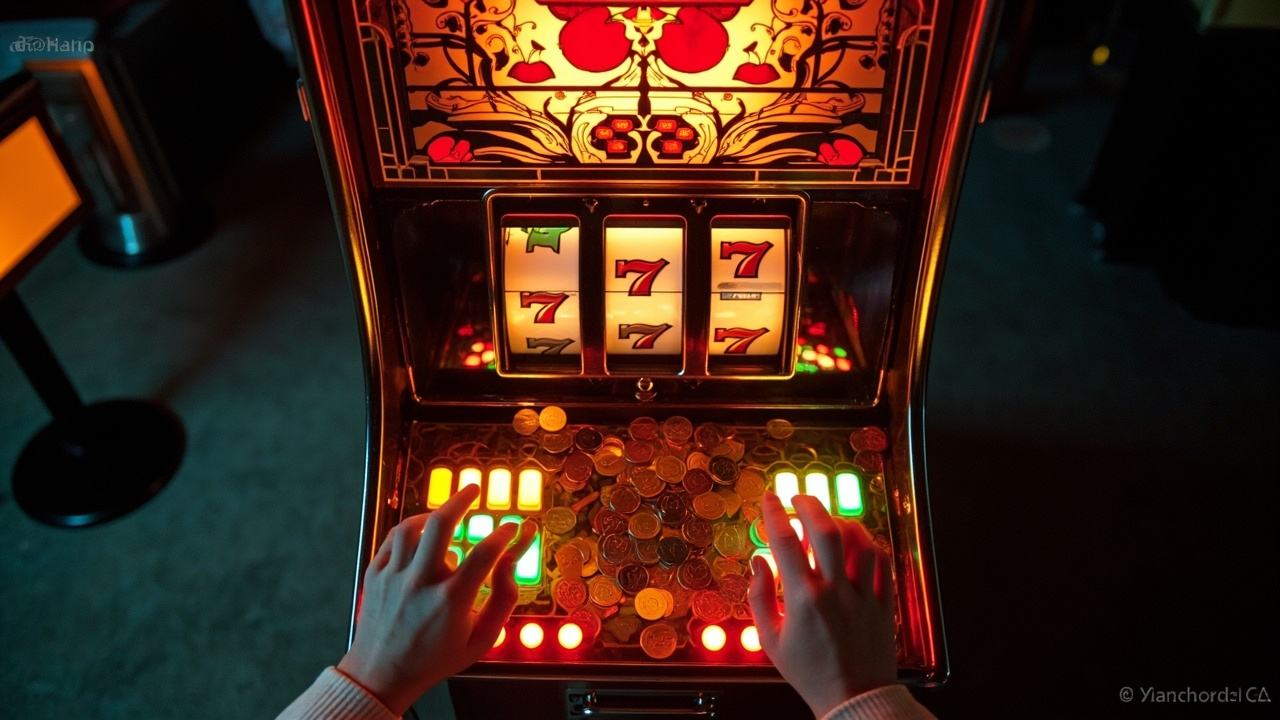
A return-to-player percentage is just a long-run accounting trick, and you should treat it like one. The figure sums up what the machine is designed to pay back across a massive sample, not what it owes you on a single night. I’ve seen trading desks price risk on thinner margins than some of these games carry, and the lesson is identical: the average hides the swings. A machine set at ninety-five per cent can still hand you a losing streak that feels personal, because the distribution of payouts is jagged, not smooth.
You can check the exact figure in the game’s info screen before you put a dollar in, and that’s the first concrete step worth taking. Most operators list the theoretical return somewhere in the menu, often buried under a help tab or a game rules page. If you can’t find it in thirty seconds, move on, because a game that hides its numbers is usually hiding its volatility too. The second step is to match that figure against the hit frequency, which tells you how often the machine actually pays anything at all.
A punter I know, Callum from Palmerston, learned this the hard way. He’d picked a ninety-seven per cent title because the number looked tidy, then watched his fifty dollars evaporate across forty quiet minutes. He switched to a ninety-four per cent game with more frequent small wins, and the session felt less punishing even though the return was lower. That’s the trade-off in plain terms: a higher average doesn’t guarantee a smoother ride, and a lower one can still feel kinder over a couple of hours.
How Darwin sessions change the maths
Out here, the session length is the real variable, not the percentage on the screen. A player down the street from the CBD might only have an hour before the humidity drives them back inside, and that window changes what “good value” even means. A machine built for long, slow grinding can feel brutal when you’re only in it for a short burst. You want something that pays small amounts often enough to keep the balance moving, rather than a game that waits ten minutes between any sort of win.
Heat and distraction matter more than most guides admit. I’ve watched sessions get derailed because the phone overheated, the screen went dim, and the player stopped tracking their spend. The fix is simple: pick a game with clear symbols and a pace you can follow without squinting. If you can’t read the paytable in the glare, you’re playing blind, and no return figure will save you from that.
Local habits shape the choice too. A lot of players around here treat a pokies session like a break between other things, not a dedicated event. That means the game needs to feel engaging quickly, with enough small feedback to hold attention. A machine that only rewards patience can feel like a chore when you’re juggling a meal, a text, and a rising temperature outside.
Reading the volatility behind the number
The return figure and the volatility are two different things, and conflating them is how people get surprised. Volatility tells you how the payouts are spread out: some games pay tiny amounts constantly, others hoard their money and release it in rare bursts. A trader would call this the difference between a steady yield and a fat-tail distribution, and the analogy holds. You can have two machines with the same average return and completely different experiences at the table.
A practical way to judge this is to watch the first twenty minutes of play without chasing losses. Note how often you get anything back, and whether the wins feel like drips or sudden jumps. That’s a named method you can actually use: a short observation window before you decide whether the game suits your session. If the screen stays quiet for too long, the volatility is high, and you should size your bets accordingly.
The trade-off is straightforward. High volatility can deliver a bigger win when it finally turns, but it also asks you to survive longer without feedback. Low volatility keeps the balance ticking but rarely gives you a moment that feels like a breakthrough. Neither is better in absolute terms; they just suit different temperaments and different session lengths.
Where the percentages come from
The numbers on the screen aren’t pulled from thin air, and it helps to know what’s behind them. Game suppliers set a theoretical return based on the reel layout, the symbol weights, and the bonus triggers, then test it over millions of simulated spins. That’s the same kind of modelling work that pricing desks do when they stress-test a book against rare outcomes. The key point is that the figure is a design target, not a guarantee for any single player.
You can verify the stated return by opening the game’s information panel and looking for the published percentage, which is the concrete step most guides skip. If the panel lists a range rather than a single number, treat the lower end as the more honest reference point. A supplier that quotes a wide band is usually acknowledging that the actual return can drift depending on how the bonus features land.
The condition worth remembering is that these figures only stabilise over enormous samples. A few hundred spins tell you almost nothing, and even a few thousand can still look noisy. If you want the percentage to mean anything, you have to think in terms of a very long run, which is a strange way to plan a single night out.
Choosing a game without getting fooled
Start with the return figure, then check the hit frequency and the bonus rules before you commit a dollar. That’s a simple sequence, but it cuts through most of the marketing noise. A game with a solid average and a clear paytable is usually easier to read than one that leans on flashy features you can’t quite track. The goal is to pick something you can follow, not something that dazzles you for two minutes and then goes quiet.
Size your bets to match the session you actually want, not the one you wish you had. If you’re only in it for an hour, keep the stakes modest enough that a dry patch doesn’t force you to chase. If you’re settling in for longer, you can afford a higher volatility because you’ve given the distribution time to breathe. The limit here is your own patience, not the machine’s settings.
If you want a second opinion on how these numbers play out in practice, have a look at the analysis over at https://gamblinghood.com before you pick a title. For a break from the screen, some players switch to a local broadcast and come back with fresher eyes, which is why a quick stop at https://10play.com.au can reset a session that’s gone stale. When you’re ready to compare actual game pages side by side, the listings at https://periporn.com/au/ let you check the published figures without wading through a pile of promo copy.
Play the numbers as one input among several, not as the whole decision. A cautious researcher compares the return, the volatility, the session length, and their own limit before they press spin. That’s the habit that keeps a night out from turning into a story you’d rather forget.